
Fibre: What is it and why do we need it?
What is fibre and why do we need it?
Fibre is what gives plants their structure. It’s often referred to as soluble or insoluble, however neither are digestible by humans, so any type of fibre has zero calories. Whilst fibre is often found in carbohydrate rich foods, it doesn’t contribute to the carbohydrates in them. It’s why some diets refer to ‘net carbs’ meaning the carbohydrates that our bodies digest minus the fibre.
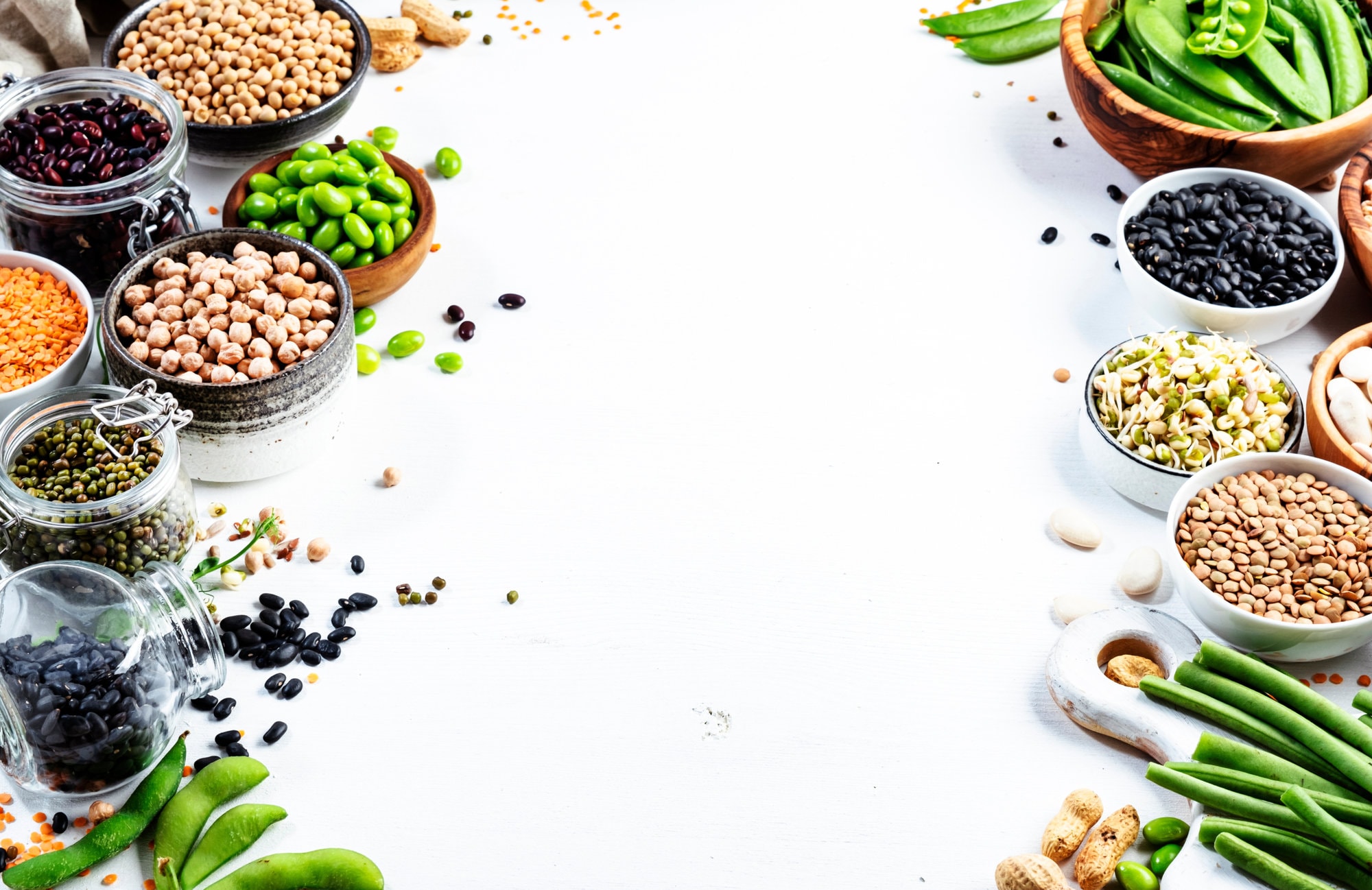
Soluble fibre forms a gelatinous substance as it takes on water in the digestive system, this can slow down the digestive process and make you feel full for longer. This is often why its recommended for weight loss. Soluble fibre is found in plants such as oats, flax, beans, lentils, peas, and some fruits. This type of fibre can be easier to tolerate for people with digestive issues as it’s less likely to irritate the gut.
Insoluble fibre passes straight through the digestive system and tends to speed up transit time (the time it takes food from eating it to excreting the waste products of that food), it bulks out the stool and is often recommended for constipation. Insoluble fibre is found in foods such as broccoli, root vegetables and cauliflower and nuts.
For most people it’s best not to get caught up in which type of fibre is best for you, as all of it is good!
What are the health benefits?
Helps with digestion and elimination, being particularly helpful for easing constipation, bloating and indigestion This is because having enough fibre helps speed up the digestive process so that food and waste products pass through the intestines in a timely way, preventing sluggish digestion.
Helps to protect against diseases of the digestive tract such as inflammatory bowels diseases, diverticulitis, and cancer by supporting gut integrity and keeping the walls of the gut nice and healthy.
Keeps your gut microbiome healthy. Having a healthy microbiome with a balance of the good bacteria is essential for a well-functioning immune system, brain health, intestinal health, and cardiac health. The healthy bacteria in the gut produce Short Chain Fatty Acids (SCFA), and we need these SCFA for all these health benefits. In simple terms this means that we are eating the fibre to feed the bacteria so that in turn the bacteria can help us by providing us with SCFAs. It’s a symbiotic relationship.

Can help with weight loss by helping you remain full for longer. Fibrous foods are also plant foods and tend to take more chewing and be lower in calories. It therefore makes sense that eating more of them naturally helps with weight loss. Fibre can affect the satiety hormone leptin which signals when we are full, helping reduce over-eating.
Helps control blood sugar levels and can protect against diabetes by improving insulin sensitivity. Eating fibre with every meal and preferably at the start of a meal can slow stomach emptying and helps to keep blood sugar levels stable.
Supports heart health by regulating blood pressure and keeping cholesterol and triglyceride levels in check. Soluble fibre has been shown to interfere with the absorption of cholesterol in the diet which can in turn lower LDL cholesterol (the bad one).
How much should I eat?
Research shows that most people in the UK only get half the fibre they need from their diet, with around 30g daily being optimal. Variety is key – if you can eat 30 different plant foods in a week, you will be getting a wide range of nutrients from your food and plenty of fibre. Try it – stick a list on your fridge and write down every time you eat a different plant food (veg, fruit, beans, pulses, nuts, seeds, wholegrains).
When you do start to eat more fibre, it’s important to also increase your water intake too, as fibre attracts water in the gut, so you’ll need more fluids for better digestion.
What are the best high fibre foods?
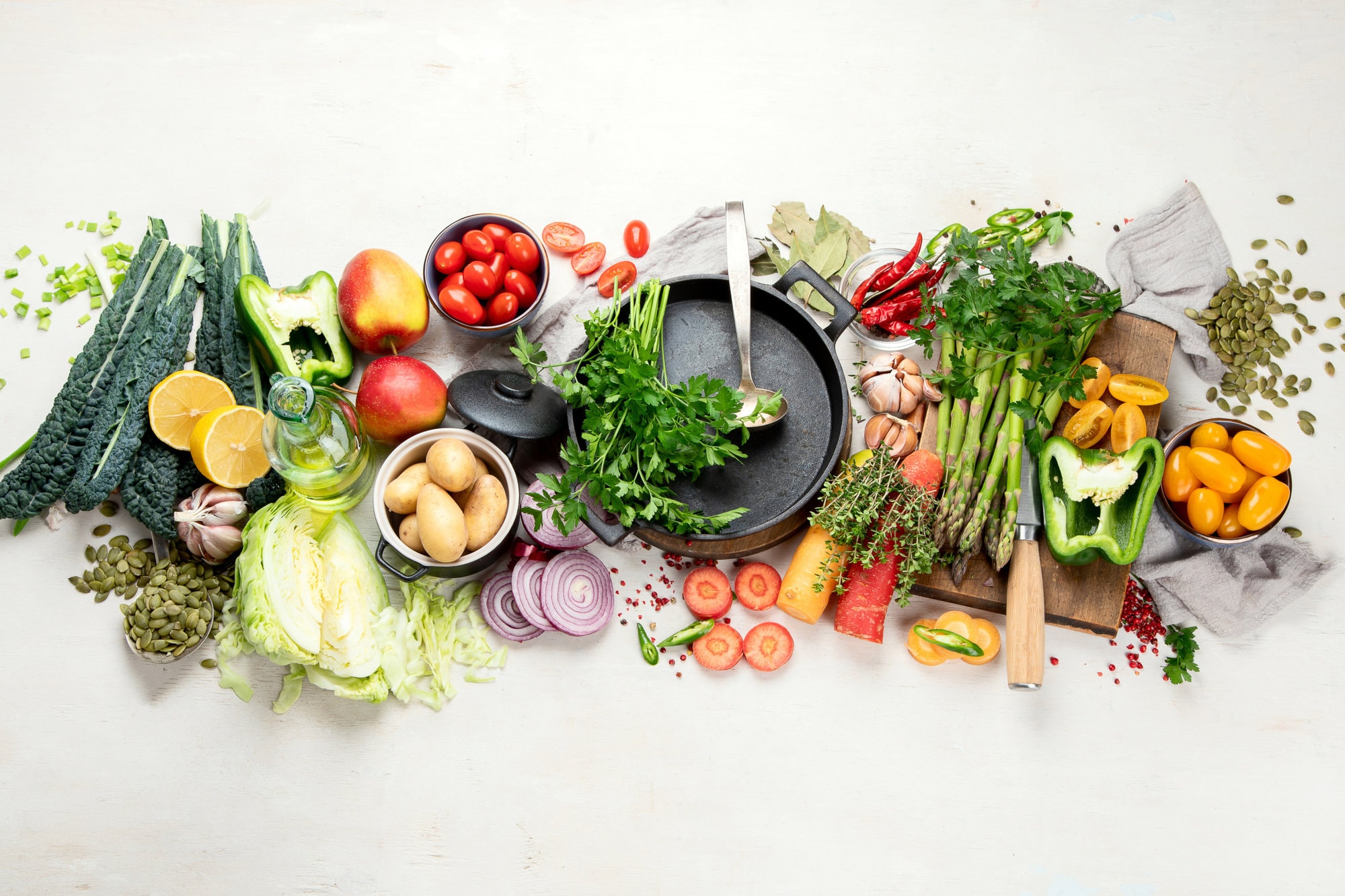
All fruits, vegetables, beans, pulses, legumes, nuts, seeds, grains, and mushrooms contain fibre, some more than others, but if you get a variety of these foods in your diet, with the emphasis on variety, you’ll be doing great. Always go with whole foods wherever possible, and where a food has a white processed version, go with the brown wholemeal option.
Some of the high fibre foods you could choose are:
- Avocado
- Oats
- Ground Flax Seeds
- Chia Seeds
- Raspberries & Blackberries
- Artichoke
- Lentils
- Chickpeas
- Almonds
- Sunflower Seeds
- Pumpkin Seeds
- Brown rice
- Broccoli
- Kale
- Quinoa
- Edamame Beans
- Kidney Beans
- Pears
- Pearl barley
Some tips for easy swaps to increase fibre:
- Smoothies rather than juice as the fibre is retained
- If you eat meat, swap it for beans or pulses such as lentils a couple of times a week
- Always eat wholegrain rather than white versions (bread, rice, pasta etc)
- Prep some raw veg sticks such as carrot, cucumber, pepper to eat with dips and store in the fridge
- When making a salad aim to include 8-10 ingredients to increase variety
- Make homemade soup with loads of different plant ingredients
- Have pumpkin seeds and sunflower seeds in the cupboard – sprinkle on anything!
- Snack on nuts – aim for variety
- Eat whole fruits
Why would my doctor suggest I eat a low fibre diet?
In some circumstances doctors or other health professionals will recommend a low fibre diet. This is usually to help get over a short period of diarrhoea or it might be when dealing with symptoms of inflammatory bowel disease such as Crohn’s or ulcerative colitis. Low fibre diets should only be followed in the short term under the supervision of a healthcare professional, as fibre is essential for a healthy gut.
Once symptoms are improved, it can be difficult to know how to reintroduce fibre. It’s not usually something doctors advise on. It can be tricky to start to introduce fibre back into a gut that has had inflammation or where there is dysbiosis present (and imbalance in the gut bacteria), however without fibre the gut it’s not possible to fully recover or become optimally healthy. This is where the support of a suitably qualified and registered nutritional therapist can help.