
Quick start Keto: The beginner’s guide to the ketogenic diet.
Ketogenic (‘keto ’) diets are back in fashion.
You’ve probably read the headlines and wondered whether you should take the plunge if the results are really that dramatic and that easy. This guide will help you figure out whether the ketogenic diet is for you. You’ll learn what it is, what you can eat (and what you can’t), and how it may be able to support your health goals. And, of course, I’ll show you how to get started!
What is the keto diet?
The ketogenic diet is the ultimate low carb diet. It’s moderate in terms of protein and very high in fat. In essence, it’s similar to the Atkins diet that was first created in the 1970s, but its fans like to describe it as a more modern version, now with a solid scientific basis. Like the Atkins diet, the ketogenic diet aims to keep the body in permanent ketosis. Your body will switch its fuel supply to run mostly on fat, and it will burn fat 24-7. The keto diet is, therefore, great if you’re trying to lose weight, but there are many other benefits like feeling less hungry, feeling mentally focussed, and banishing the energy slumps that come with eating a high carb diet.
Recent research over the last decade or so has provided evidence of the therapeutic potential of ketogenic diets in many health conditions, including diabetes, polycystic ovary syndrome (PCOS), acne, neurological conditions and the management of respiratory and cardiovascular risk factors.

How does the keto diet work?
Glucose is the easiest molecule for your body to convert and use as energy so that it will be chosen over any other energy source. Insulin is produced to process the glucose in your bloodstream by taking it into the cells. It’s the fat-storage hormone secreted in direct proportion to the type and quality of carbs consumed. When you lower the intake of carbs in your diet, you force the body into the fat-burning state of ketosis.
Ketosis is a natural process that helps you survive when food intake is low. When in this state, you produce ketone bodies or ketones, and these are made from the breakdown of fats in the liver. They are an alternative source of energy. Energy from ketones works just as well and feels no different – better if anything - and the brain actually prefers ketones.
Who should not try the keto diet?
For most people, the ketogenic diet appears to be very safe, but you should not try it before you have consulted with a doctor if you:
- Take medication for diabetes, like insulin.
- Have kidney disease.
- Take blood pressure medication.
- Are pregnant or breastfeeding.
- Are suffering or recovering from an eating disorder.
What do you eat?
The ketogenic diet is largely based on protein and fat and is filling and satisfying. This means no hunger cravings and consistent energy levels. The downside is the diet is very strict. A typical keto diet allows only up to 50g of net carbs a day. Just so you know, many people following a typical Western diet can consume 250g or more of carbs in a day. It’s fair to say that, for many, it’s learning a whole new way of eating – but the benefits can be worth it.
Cutting out carbs means more than just avoiding the bread, pasta, rice and potatoes that we think of as carbohydrates, but also other foods including many fruits and a number of starchy vegetables and even some nuts, such as cashews. What you might not be prepared for is having to cut back on alcohol (it’s not cut it out entirely – spirits are OK but watch the sugary mixers -, and champagne and wine are not so bad in moderation but it very much depends on your sensitivity to carbs), and your favourite cappuccino or latte, too. Instead of focusing on all the foods you’ll be cutting out, I want you to look at all the delicious, satiating and nourishing foods you’ll be able to enjoy.
In
Meat, fish, poultry, eggs. Leafy Greens like spinach and kale. Above-ground vegetables like broccoli, cauliflower, etc. High-Fat Dairy like hard cheeses, cream, butter, etc. Nuts and seeds. Avocado. Berries – raspberries, strawberries, blueberries, blackberries, and other low GL berries. Other fats – coconut oil, high-fat salad dressings, saturated fats, etc.
Out
Grains like wheat, corn, rice, barley Sugars: honey, agave, maple syrup Fruit like apples, bananas, oranges Potato, yams, etc.
Included in this guide are suggestions for what to eat. You’re fully covered, from breakfast to lunch and dinners.
The keto challenge
If you’ve tried the keto diet before, you’ll know the real challenge is sticking to it for the first seven days. That’s how long it might take for your body to adapt. You’ll have passed some of the initial side effects some people experience (‘keto flu’, but more on that later) and you’ll have figured out exactly what to eat to replace all the carbs.
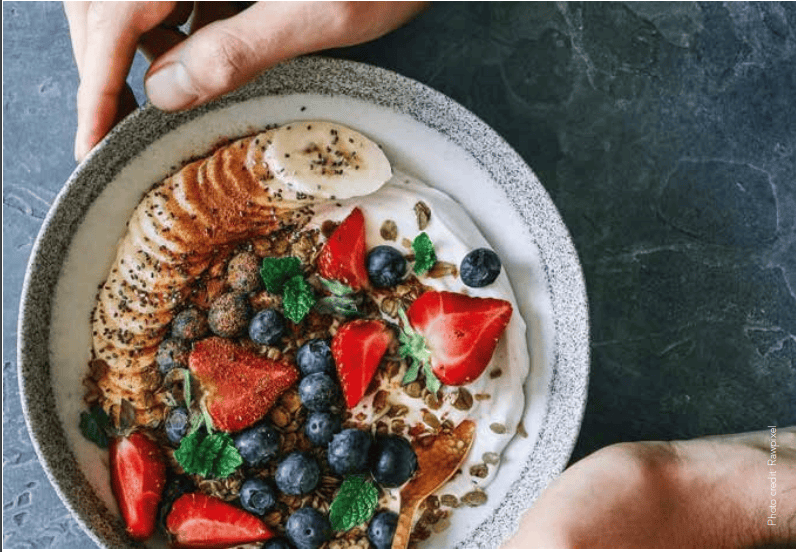
What to expect on the keto diet
There are no fixed percentages for macronutrient distribution (i.e. not a specific ratio of fats, carbs, etc.) as not everyone is equally sensitive to carbohydrates. This means you’ll have to test where your carb threshold lies by measuring ketone bodies in the urine, blood or breath.
How quickly will I get into ketosis?
It is different for every person. For some people it can take 2 to 4 weeks, but for others it can take as little as a week.
To get into as safely and effectively, you ’ll want to:
Stick to 50g or fewer net carbs.
Combine with intermittent fasting. Going for 16-18 hours without eating can help you get into ketosis faster and is easily achieved. Start by just skipping your usual breakfast.
Use coconut oil for cooking or MCT oil in your keto coffee. These contain medium-chain fatty acids that boost ketone production.
Move your body gently. While you are transitioning into ketosis, don’t take on hardcore exercise – you can end up flagging pretty quickly, feeling like you ‘hit the wall’. Instead, take a brisk walk in a fasted state. This will help your body dip into fat for fuel.
Ensure you eat enough fat. You may be accustomed to avoiding fat (especially if you’ve been on weight loss diets before). Fat supplies the energy you are no longer getting from carbs – and this is the difference between starving yourself and being on a ketogenic diet.
Don’t snack. Allow your body to rest. Eating more often than you need to also slows down weight loss and reduces ketosis.
Forget Atkins, the modern ketogenic diet is not high in protein, and the healthiest keto dieters ensure they eat healthy, low carb veggies both for health and for the fibre to keep them regular.
Keto flu and other side effects
During the transition to ketosis, some people experience what’s known as ‘keto flu’ – flu-like symptoms like headaches, brain fog, tiredness, nausea, muscle cramps, lack of motivation, and weakness. This happens when the body runs out of glucose and has not yet learned to switch to using fat for energy – that’s because it hasn’t had to for such a long time. Until you become ‘fat adapted’ (i.e., your body has re-learned to use fat) there is a period of low energy. It is this taxing time that can put people off, but it’s worth persevering and pushing through.

Losing a lot of water and sodium is often what’s behind these symptoms, so you will want to increase your water (and possibly salt intake). Drinking a large glass of water with half a teaspoon of salt stirred into it should help. Or, as an alternative, a mug of hot bouillon/ chicken or beef stock with a pinch of salt stirred in. The more fat you eat, typically the fewer symptoms you will experience. This ensures your body does not feel like it’s starving.
How to know you ’re in ketosis
Symptoms of your body getting into ketosis might be increased mental alertness or having more energy. You might also experience reduced hunger. Many people report having ‘keto breath’, which is a bit like pear drops rather than anything too unpleasant. This results from the acetone, one of the ketone bodies. Expect it to pass in a week or two. To start, you might also notice you need to urinate more often.
The only sure-fire way to know you’re in ketosis is to measure it. Initially, you can do this through strips to test your urine, which are relatively inexpensive, and you can get these from most pharmacies and online. As you become more fat-adapted, your body will start using those ketones for energy, so there are fewer left in the urine to measure.

Blood ketone meters measure your blood ketone levels and are considered the gold standard – the most accurate way to measure your ketones. You prick your finger using a lancet and drop a little blood onto a test strip, which is analysed by the monitor. These are now relatively inexpensive and can be bought from pharmacies and online. You can also use a breath analyser, which is by far the most convenient way, if a little expensive in terms of the initial purchase. Simply breathe into the mouthpiece to reveal your score. Some work in conjunction with an app on your phone. A good investment if you decide that, longer-term, the keto diet is what you need.
Get Started
The key to making any changes to your diet is to plan ahead. It’s even more important to plan what you are eating ahead of time when you are making big changes, so you never feel in a position where you have no idea what your next meal will be. As you get to grips with the keto diet and work out what your favourites are (and, especially if you’re making keto a new way of life, what you can eat to stay in ketosis), you will definitely want to create a weekly plan. Take a look at the recipes on the following pages to work out what you will eat to stay under your 50g of net carbs a day, then make your weekly plan. When you have your cupboards and/or fridge filled with the kinds of food you can eat, this will be so much easier!