
Is a purely vegan diet always healthy?
Should I go Vegan?
Adopting a vegan diet, even on a temporary basis, can offer a number of health benefits. There are a several reasons why people choose to go vegan either for a short period of time or as a long term lifestyle choice. Some people will even choose to do a vegan day each week or with the popularity of ‘Veganuary’ growing, for the month of January each year.
Here are a few of the reasons why you might want to try a vegan diet:
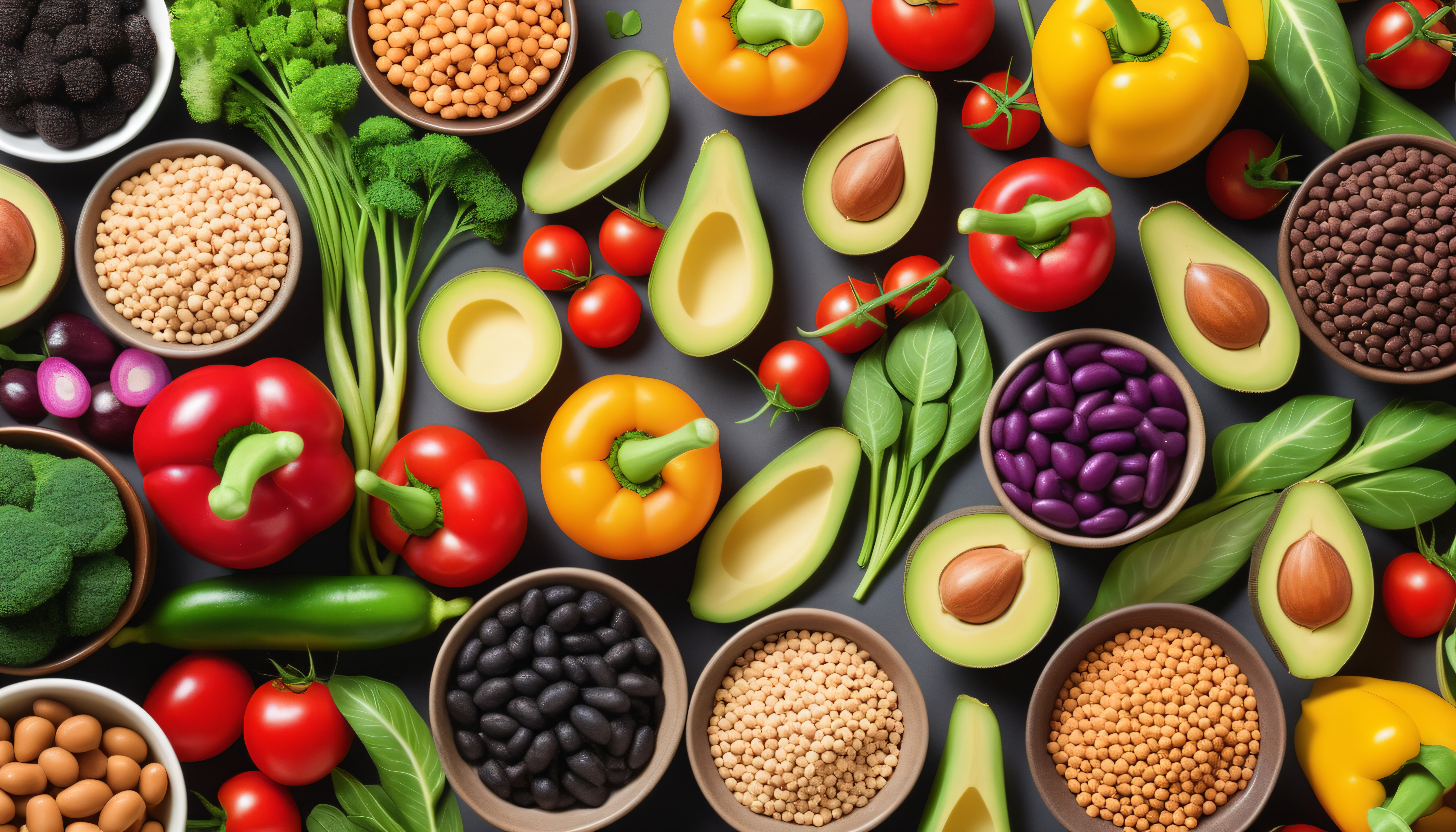
For a health ‘reset’. A short term vegan diet can serve as an opportunity to focus on increasing nutrient dense foods such as fruit, vegetables, whole grains, beans, pulses, nuts and seeds. These types of foods can not only boost your intake of vitamins, minerals and antioxidants, but can also lower cholesterol due to fats from plant based sources being healthier. It can also improve energy levels due to the natural increase in plant based nutrients you will consume and the decreased burden on the digestive system created by meat and other animal products.
To lose weight. Eating a vegan diet containing a variety of wholefoods with a focus on high fibre, healthy fats, plant-based protein. and low in processed foods (there are so many vegan processed foods around nowadays) has been shown to be highly effective at promoting weight loss. This is due to the high fibre content, which keeps you full for longer and the relatively lower calorie content of plant-based foods. Balancing blood sugar is also key to weight loss which can be easier to achieve on a plant-based diet.
As a reaction to a serious health concern. Research indicates that adopting a vegan diet may offer protective benefits against heart disease, specific cancers, complications associated with type 2 diabetes, and can enhance insulin sensitivity. Studies have also demonstrated that a vegan dietary approach may aid in alleviating pain and inflammation in conditions like arthritis and rheumatoid arthritis. Given the connection between chronic inflammation and diseases such as heart disease and cancer, the anti-inflammatory nature of a healthy vegan diet can be helpful. People who have been recently diagnosed with a serious condition or know they are at increased risk due to family history or other risk factors may opt for a vegan diet as a way of enhancing their health outcomes.
To improve digestion. Plant-based diets are typically rich in dietary fibre which contributes to better digestive health by supporting the gut microbiome, reducing constipation, diarrhoea and other digestive issues. With gut health issues being more spoken about and as people gain a better understanding of how gut health impacts everything else, eating plant-based diets has become more popular as a means of supporting this aspect of health.
Improve Insulin Sensitivity: Some studies suggest that a vegan diet may contribute to improved insulin sensitivity and blood sugar control, which can be beneficial for both weight management and reducing the risk or impact of type 2 diabetes. A good quality vegan diet is naturally lower in refined sugar, higher in fibre and lower in saturated fats. These are all elements of increasing insulin sensitivity and preventing or managing type 2 diabetes.
Environmental factors. Plant-based diets generally have a lower environmental footprint compared to diets high in animal products. Some people may stop short of becoming vegan but will opt for a couple of vegan days each week as this is considered a way of reducing your environmental impact.
Ethical Considerations: Some people choose a vegan diet as a way to align with their ethical beliefs regarding animal welfare by reducing demand for animal products.
What does a healthy vegan diet look like?
A healthy vegan diet is rich in a variety of plant-based foods to ensure a balanced intake of essential nutrients. Here are some ideas for incorporating a wide variety of fruits, vegetables, nuts and seeds, pulses, legumes, beans, and whole grains into your meals.
Fruit
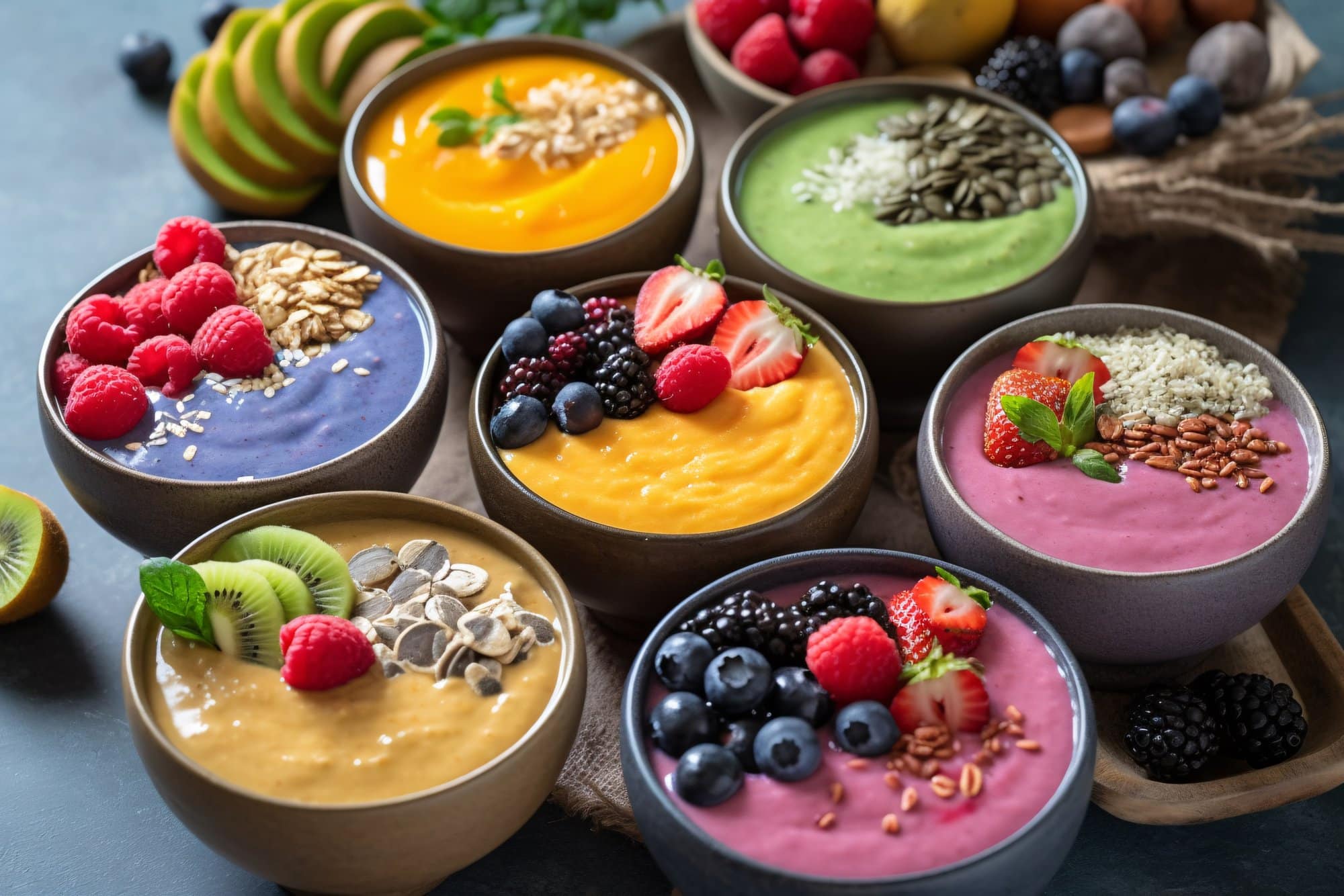
Smoothie Bowl:
- Blend together your favourite fruits like berries, banana, and mango
- Top with granola, chia seeds, and a variety of sliced fruits.
Fruit Salad:
- Combine a mix of fruits such as watermelon, pineapple, orange, kiwi, and grapes.
- Drizzle with a bit of lime juice for added freshness.
Vegetables:
Stir-Fry:
- Sauté a colourful variety of vegetables like red and yellow peppers, broccoli, carrots, and sugar snap peas.
- Serve over quinoa or brown rice with soy sauce, tahini sauce or miso
Roasted Veggie Bowl:
- Roast sweet potatoes, butternut squash, Brussels sprouts, cauliflower, and red onion with olive oil and herbs.
- Pair with a tahini dressing and sprinkle with sesame seeds.
Courgette Noodles with Pesto:
- Spiralize courgette into noodles and toss with homemade basil pesto.
- Top with cherry tomatoes and pine nuts.
Nuts and Seeds:
Trail Mix:
- Mix almonds, walnuts, pumpkin seeds, and dried fruits for a portable and nutritious snack.
Nut Butter Toast:
- Spread almond or peanut butter on whole-grain toast.
- Top with sliced banana or strawberries and a sprinkle of pumpkin seeds.
Chia Seed Pudding:
- Soak chia seeds in plant based milk until glutenous (like mini tapioca) add berries and a little maple or brown rice syrup
Pulses, Legumes, and Beans:
Chickpea Salad:
- Combine chickpeas with cherry tomatoes, cucumber, red onion, and fresh herbs.
- Dress with olive oil, lemon juice, apple cider vinegar and a pinch of cumin.
Lentil Curry:
- Make a lentil curry with tomatoes, spinach, and a blend of spices.
- Serve over brown rice or quinoa.
Coconut-Lentil Soup:
- Make a coconut-lentil soup with red curry paste, coconut milk, and vegetables.
Whole Grains:
Quinoa Salad:
- Mix cooked quinoa with diced cucumber, cherry tomatoes, avocado, and fresh herbs.
- Toss with a lemon vinaigrette.
Brown Rice Buddha Bowl:
- Layer brown rice with sautéed tofu, steamed broccoli, shredded carrots, and sliced avocado.
- Drizzle with a soy-ginger dressing.
Remember to experiment with herbs, spices, and different cooking methods to add variety and flavour to your meals.
Is a purely vegan diet always healthy?
Whilst there are numerous health benefits to a vegan diet, it’s important to approach a change in diet with careful consideration to meet all yout nutritional needs. Individual health considerations, lifestyle factors, and personal preferences should guide dietary choices. It is also important to be aware of the limiting factors within a vegan diet when adopted for a long period of time such as the need for B12 supplementation and potential lower levels of omega 3 fatty acids.
Here are some tips:
- Protein Intake: Make sure to include a variety of protein sources, such as legumes, tofu, tempeh, and quinoa, to meet your protein needs.
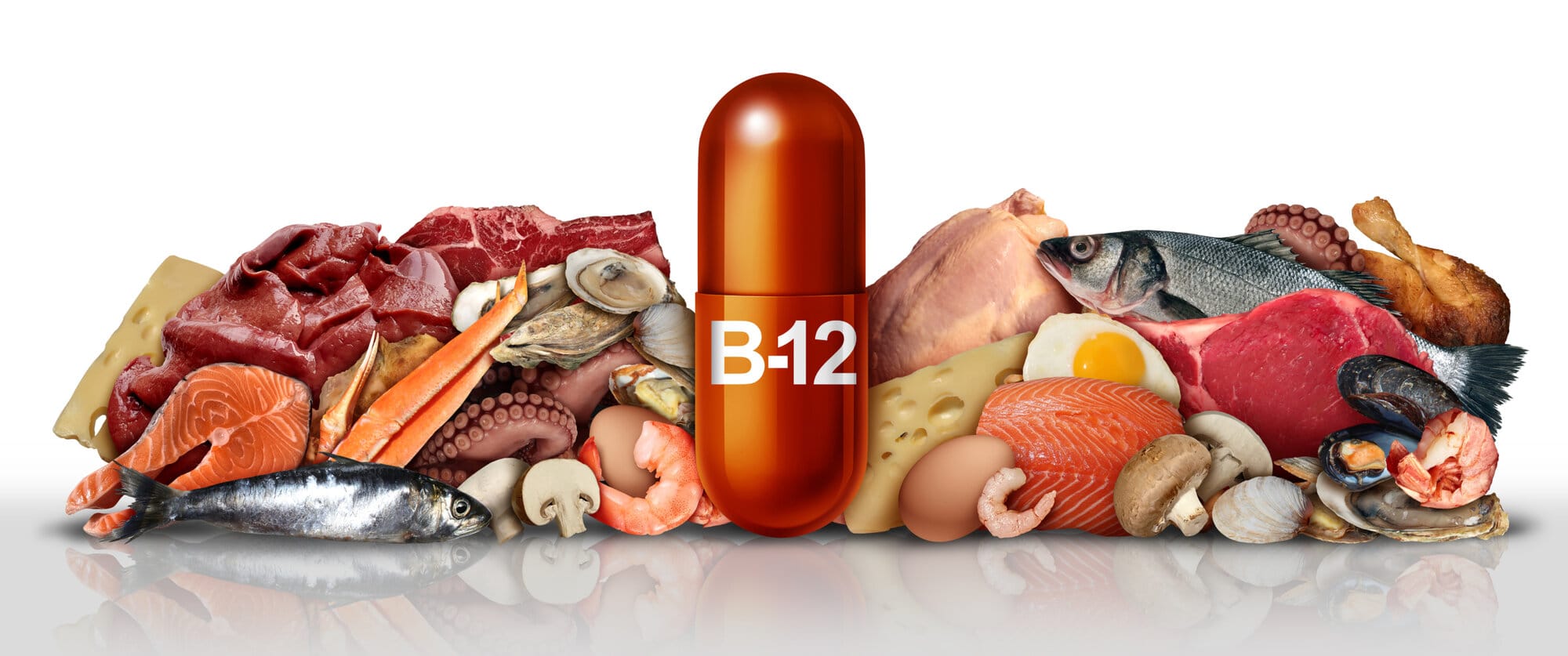
- Vitamin B12: Since vitamin B12 is primarily found in animal products, consider fortified foods such a Nutritional Yeast or a good quality B12 supplement to ensure an adequate intake.
- Iron and Calcium: Pay attention to iron and calcium intake, ensuring you include plant sources like leafy greens, legumes, nuts, and seeds in your diet.
- Omega 3: Make sure you include plenty of nuts and seeds, and consider supplementing with a vegan algae based omega 3 (most omega 3 supplements come from fish sources)
- Whole Foods Focus: Emphasise whole, minimally processed foods over highly processed and packaged vegan alternatives.
- Aim for 30: keep track by making a list of each different plant food you eat in a week – 30 is considered the optimum number to aim for as it ensures you eat a variety of nutrients.
If you’d like to book in for a free 15 minute discovery call to discuss your health concerns and understand how nutritional therapy works, please get in touch.